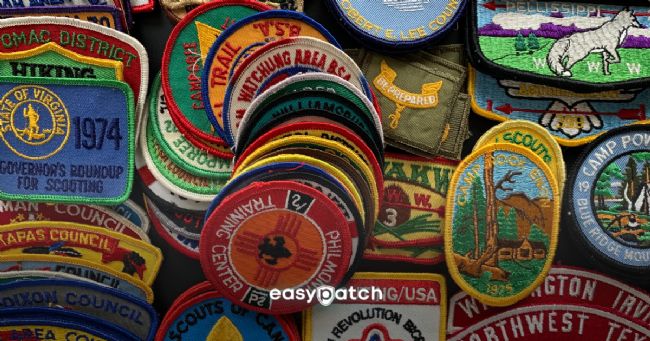
When we talk about custom patches, the first thought often goes to the material: embroidered, PVC, chenille, leather. In reality, if you want to achieve a truly effective result, you need to start from an even more strategic level: the styles of various custom patches. Style is what makes a patch coherent with the brand, club, team, or project it represents. It is the bridge between the message you want to communicate and how people perceive it.
In this article by Easypatch, we explore how to understand and use the different styles of custom patches, how to match them with materials, and how to choose the right one for your specific use, with a focus on SEO positioning and the reality of those who actually use them on clothing, accessories, and equipment.
What We Mean by the Style of a Custom Patch
The style of a custom patch is the combination of three elements: visual language, type of material, and context of use. It is not only about the graphic look but also the perception the patch creates for the viewer.
The same logo can appear institutional if embroidered on a shield, technical if reproduced in PVC, fashion if applied in chenille on a bomber jacket, or heritage if engraved on leather. For this reason, when considering the styles of various custom patches, it is useful to ask yourself some questions:
- Who will wear or use the patch
- In which context it will be seen (work, street, sport, events, outdoor)
- What kind of feeling you want to convey (seriousness, energy, irony, exclusivity)
Everything else, including materials, follows from these answers.
The Main Styles of Custom Patches
Styles are not rigid categories, but we can identify some very common ones that cover most needs.
The institutional and professional style is typical of companies, institutions, schools, and associations. Here the patch must be clear, sober, and recognisable. Classic shapes like shields, ovals, and rectangles work well, with company logos well centred, readable text, and colour palettes consistent with the coordinated image. Usually, embroidered or HD woven patches are used, conveying order, reliability, and continuity.
The tactical and military style is that of patches used on technical gear, airsoft, law enforcement, and outdoor equipment. The visual language consists of essential symbols, robust lettering, and often muted or low-profile colours like black, olive green, sand, or grey. PVC, TPU, or silicone patches dominate here, often accompanied by more traditional embroidered patches, frequently with Velcro backing for easy application and removal.
The motorcycle patches live on leather jackets, denim vests, sweatshirts, and urban clothing. Back patches, rocker style, strong symbols, rock iconography, phrases, and mottos are all typical elements. In this universe, embroidered patches, chenille for large letters and numbers, PVC for more technical details, and leather for premium patches on selected garments are widely used.
The fashion and lifestyle style is the realm of fashion brands, capsule collections, and curated casual and streetwear lines. The patch becomes a design element, often repeated in series on garments or used to create layering effects. Special yarns, raised embroidery, chenille, leather, and high-definition printed patches are the most used tools. Here the goal is primarily aesthetic but always connected to the brand identity.
The sport and team style concerns teams, clubs, federations, sporting events, and merchandising. The patch must communicate energy, belonging, and often team pride. Shields, flags, numbers, dynamic lines, and strong colours are the norm. Embroidered, woven, or heat-seal patches are the most common on jerseys, jackets, tracksuits, and technical clothing.
Finally, the premium and vintage style is dedicated to high-end projects and realities that want to communicate craftsmanship, history, and value. Quality chenille, engraved or embossed leather, 3D embroidery, and special finishes create patches that are almost small design objects. This style is ideal for high-end brands, limited collections, exclusive clubs, and premium merchandising.
Materials and Styles: How to Match Them Intelligently
Each style can be supported by multiple materials, but some combinations work better than others. If you aim for an institutional style, embroidered patches are the most natural base: they allow you to enhance crests and logos with a balance of elegance and functionality. For a tactical style, PVC and silicone are ideal because they offer relief, durability, and a very clear reading of graphic elements, especially on technical equipment.
For biker and street patches, embroidery remains a pillar, accompanied by chenille for large letters and leather for particularly important patches. In fashion and lifestyle, a mix is more frequent: embroidery with special yarns, chenille, leather, high-definition printed patches, and 3D solutions are combined depending on the individual garment. In sport, readability and resistance to sweat and washing are very important: embroidered, woven, and heat-seal patches on technical fabrics are the most common solutions. For premium and heritage styles, the winning combination is often between multilayer chenille, worked leather, and 3D embroidery, with great attention to details, edges, and finishes.
How to Choose the Right Style for Your Custom Patches
To choose the right style among the different styles of custom patches, don’t start from the catalogue, start from yourself. First ask yourself who you are and what you want to communicate. A company working with corporate clients will need institutional and clean patches, a motorcycle club biker-style patches, a school those kids & fun patches, a fashion brand fashion and premium patches.
The second step is to define on which garments or supports the patches will be applied: uniforms, jackets, backpacks, hats, technical gear, streetwear. The material must work not only visually but also practically, considering washing, wear, and climatic conditions.
The third level concerns the audience. Who will see and interpret the patch? Collaborators, clients, fans, club members, children, airsoft enthusiasts? Each target has a different sensitivity to symbols, colours, irony, formality. A style too tactical on a school uniform, or too playful on professional gear, risks creating dissonance.
Frequently Asked Questions about Custom Patch Styles
What are the main styles of custom patches?
The most common styles are institutional/professional, tactical/military, biker and street, fashion and lifestyle, sport/team, and premium/heritage. Each style has its own visual language, suitable materials, and specific contexts of use.
What is the difference between style and patch type?
The patch type refers to the material (embroidered, PVC, chenille, woven, printed, leather), while style concerns how it looks and what it communicates. The same material can support different styles depending on shape, colours, graphics, and context.
How do I understand which style is right for my brand or club?
Start from the project identity, the audience, and the garments on which you will apply the patches. If the context is formal, the institutional style is the most natural; if you work in sports or motorcycling, you might lean towards sporty, biker, or tactical styles; if you are a fashion brand, the fashion/premium combination is likely the most coherent.
Can I combine multiple styles on the same patches?
You can blend elements from different styles, but a clear direction is needed. For example, you can combine an institutional setting with premium details, or biker style with fashion accents. The important thing is that the final result is readable and coherent, not a random collage.
Can the same design be adapted to different styles?
Yes. A single logo can be interpreted in institutional, tactical, fashion, or premium ways simply by changing materials, colours, borders, and support type. This flexibility allows you to use the same visual identity in different contexts without losing recognisability.
Giving Visual Coherence to Your Patches
Understanding the styles of various custom patches means going beyond the idea of choosing a patch from a catalogue and starting to think in terms of identity, context, and visual strategy. When the style is coherent with who you are, who wears the patches, and the environment in which they will be seen, every patch stops being a simple accessory and becomes a powerful communication element. Whether you are working for a company, a motorcycle club, a sports team, a school, or a fashion brand, investing time in choosing the right style is the most effective way to transform a patch into a distinctive sign that stays in memory.